 Just as big eat the little fish in the sea, Cape Cod’s fishing fleet is being swallowed by larger pockets that are buying the available quota of cod and other catch.
Can the small family-owned boats survive or will the remaining fishermen wind up as sharecroppers for someone else’s fleet?
Just as big eat the little fish in the sea, Cape Cod’s fishing fleet is being swallowed by larger pockets that are buying the available quota of cod and other catch.
Can the small family-owned boats survive or will the remaining fishermen wind up as sharecroppers for someone else’s fleet?
Thursday, March 28, 2013
Small time fishermen fight for their survival
Just as big eat the little fish in the sea, Cape Cod’s fishing fleet is being swallowed by larger pockets that are buying the available quota of cod and other catch.
Can the small family-owned boats survive or will the remaining fishermen wind up as sharecroppers for someone else’s fleet?
Triennial Conference of the CITES - A historic edition
 From March 3 to 14, the 16th Triennial
Conference of the Convention on
International Trade in Endangered Species
(CITES) was held in Bangkok (Thailand).
The edition described as historic by many
present experts was completed by the
adoption of strong measures against the
overexploitation of marine species in
general and sharks in particular.
From March 3 to 14, the 16th Triennial
Conference of the Convention on
International Trade in Endangered Species
(CITES) was held in Bangkok (Thailand).
The edition described as historic by many
present experts was completed by the
adoption of strong measures against the
overexploitation of marine species in
general and sharks in particular.
19-Year-Old Develops Ocean Cleanup Array That Could Remove 7,250,000 Tons Of Plastic From the World's Oceans
 19-year-old Boyan Slat has unveiled plans to create an Ocean Cleanup Array that could remove 7,250,000 tons of plastic waste from the world’s oceans. The device consists of an anchored network of floating booms and processing platforms that could be dispatched to garbage patches around the world.
Surprising Depth to Global Warming's Effects
 The oceans are the flywheel of the climate system. As atmospheric concentrations of greenhouse gases increase, the Earth system is warming, and over 90 percent of that increase in heat goes into the ocean. Knowing how much heat the ocean absorbs is vital to understanding sea level rise (the oceans expand as they warm), and predicting how much, and how fast, the atmosphere will warm.
Early Prehistoric Marine Reptiles: Evidence of a Placodont That Originated in Europe
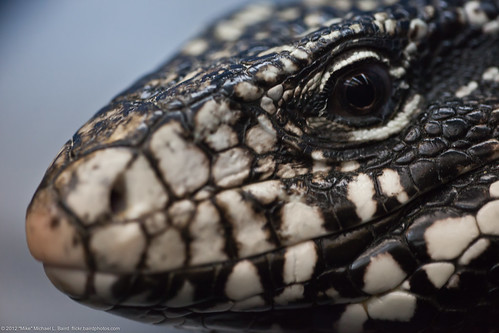 Placodonts were among the first marine reptiles. With their trademark crushing teeth, they fed on shellfish and crustaceans. However, when and where these highly specialized marine reptiles originated remained unclear until now. A 246-million-year-old skull of a juvenile placodont was recently discovered in the Netherlands. Paleontologists from the universities of Zurich and Bonn have now demonstrated that it is one of the earliest examples of this saurians and that it originated in Europe.
Wednesday, March 27, 2013
National strategy will help safeguard fish, wildlife and plants in a changing climate
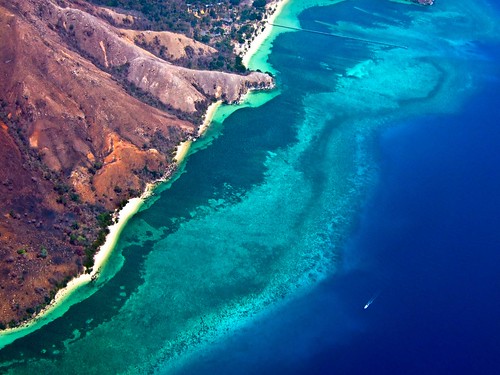 In partnership with State and Tribal agencies, the Obama Administration yesterday released the first nationwide strategy to help public and private decision makers address the impacts that climate change is having on natural resources and the people and economies that depend on them.
Great 'Indaba' (gathering) of the high seas
 Just 12 hours before the new Global Ocean Commission started its historic first meeting in Cape Town, the fisheries department announced yet another poaching bust in which 4 643 illegally harvested perlemoen weighing more than 1.2 tons, and valued at about R1.2-million, were found in a house in Mitchells Plain.
Tuesday, March 26, 2013
Seabirds need effective marine conservation in wake of fish discards ban, warns study
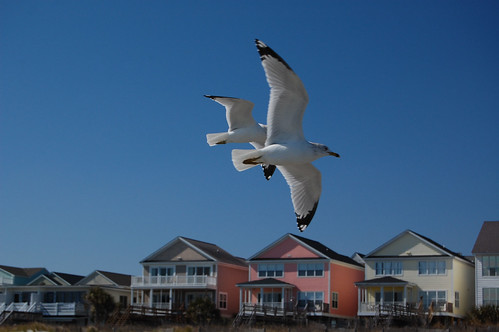 Conservationists have renewed urgent calls for effective marine protection in European waters, after a new study, published in the Journal of Applied Ecology, revealed that the recent EU ban on fish discards could have a significant short-term impact on some seabirds.
World's oceans are getting warmer, faster
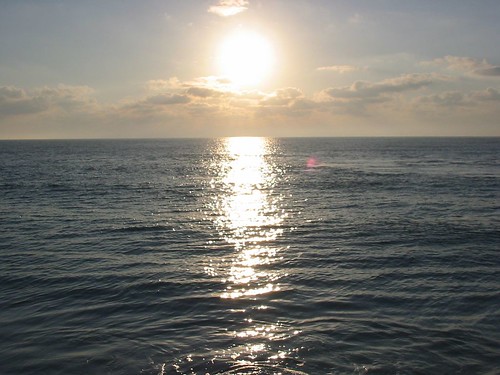 When looking at how global temperatures have changed, it's easy to focus on the atmosphere. But as a new paper shows, we should be looking at the oceans too - and the deep ocean in particular. Over the last half century, new data shows the oceans have warmed substantially - accelerating in the last decade.
Sea surveys to be used in proposals for Marine Protected Areas
 Marine life off the west coast of Scotland is being surveyed to help scientists learn more about Scotland's waters. The exploration of the Firth of Clyde and Loch Sween, near Lochgilphead in Argyll, will also be used to help the Scottish Government manage the seas sustainably. It is part of a research programme led by Scottish Natural Heritage (SNH) and Marine Scotland.
Monday, March 25, 2013
Overfished and under-protected: Oceans on the brink of catastrophic collapse
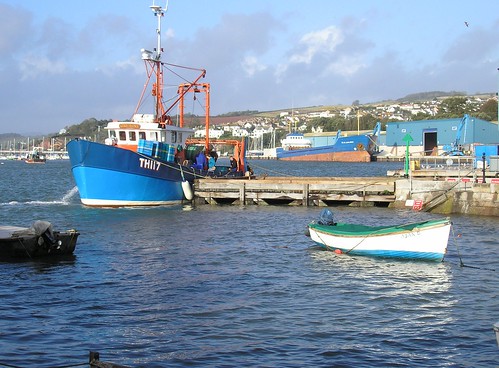 As the human footprint has spread, the remaining wildernesses on our planet have retreated. However, dive just a few meters below the ocean surface and you will enter a world where humans very rarely venture.
Blue Hope - An Ocean Book for the World

Oceanographer and National Geographic Explorer in Residence Sylvia Earle launches her campaign which hopes to urge National Geographic to publish a book filled with beautiful images and inspiring quotes about the beauty -- and distress -- in our oceans.
The campaign's goal is to create a unique book that bring millions of people underwater with the power of the press to ignite emotional support for protecting our planet’s most precious resource.
East Africa: Indian Ocean Commission New Management Body
 The western Indian Ocean States' efforts to improve marine fishery reforms and governance in the region are beginning to bear fruit following a recent decision to reform the South West Indian Ocean Fisheries Commission (SWIOFC) from an advisory body to a full management body.
Global Ocean Commission to aid ocean reform
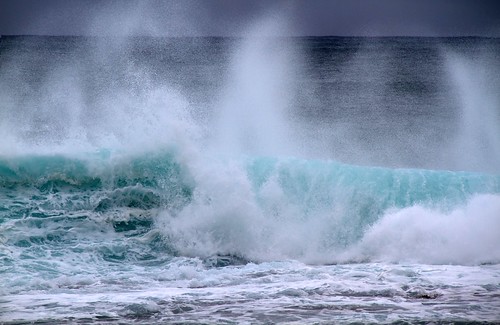 Economics, science, equity and public opinion provide a watertight case for reforming the way our ocean is governed and managed, said the Global Ocean Commission at the conclusion of its inaugural meeting, in Cape Town, South Africa.
An oxygen-poor 'boring' ocean challenged evolution of early life
 A research team led by biogeochemists at the University of California, Riverside has filled in a billion-year gap in our understanding of conditions in the early ocean during a critical time in the history of life on Earth.
Latest from World Ocean Radio: Hard Edges
 Our traditional approach to protection from sea and surge has been the hard edge, with the mission to shield us from the encroachment of water. In this episode of World Ocean Radio, host Peter Neill will take us through the history of the industrial management of ports, wetlands and watersheds and will share some modern examples of "hard edge" engineering and the challenges for existing structures in the face of projected sea level rise, extreme weather and coastal flooding.
Friday, March 22, 2013
2013 Pew Marine Fellows: Piecing together the puzzle of ocean conservation
Five distinguished scientists and conservationists working in Canada, India, Indonesia, Palau, and Tanzania, are this year's recipients of the Pew Fellowship in Marine Conservation. The Pew Marine Fellows Program provides fellowships to outstanding scientists and other individuals across the globe to support innovative projects aimed at developing and implementing solutions to critical challenges facing the world's oceans."
Mega-eruptions Caused Mass Extinction, Study Finds
 At the end of the Triassic period, at least half of the species living on land and in the ocean went extinct, opening the way for dinosaurs to dominate Earth for the next 135 million years. Scientists have long suspected massive volcanic eruptions were to blame, but they haven’t been able to pin down the exact timing until now.
Industry attempts to sink deep-sea fishing regulation at the European Parliament
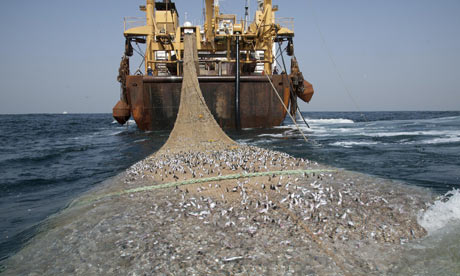 While members of the largest European Parliament Committee, the Environment Committee, voted yesterday by an overwhelming majority (58 votes to 1) for a total reform of the deep-sea fishing Regulation and the phase out of the most destructive fishing gear (deep-sea bottom trawling and gillnetting) beyond 200 meters, political coordinators of the Fisheries Committee gave satisfaction to the industrial fishing lobby this morning with voting decisions which jeopardise the very survival of the Regulation.
When an Iceberg Melts, Who Owns the Riches Beneath the Ocean?
 Global warming might be an environmental catastrophe, but countries eyeing the North Pole also see it as an opportunity.
“We’ve never had a situation where an ocean has appeared overnight,” says Rob Huebert, a political scientist at the University of Calgary, who studies Arctic security issues. “The ice kept everybody out, and now all of a sudden the ice is going to be gone. So what happens?”
Global warming might be an environmental catastrophe, but countries eyeing the North Pole also see it as an opportunity.
“We’ve never had a situation where an ocean has appeared overnight,” says Rob Huebert, a political scientist at the University of Calgary, who studies Arctic security issues. “The ice kept everybody out, and now all of a sudden the ice is going to be gone. So what happens?”
Ocean plankton sponge up nearly twice the carbon currently assumed
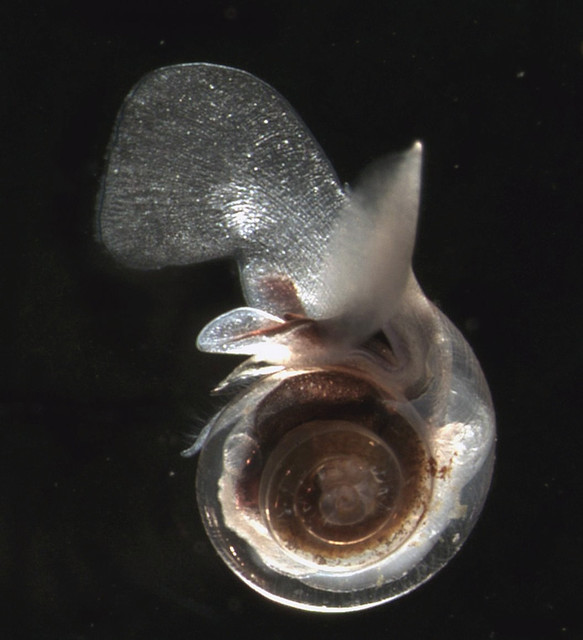 Models of carbon dioxide in the world's oceans need to be revised, according to new work by UC Irvine and other scientists published online Sunday in Nature Geoscience. Trillions of plankton near the surface of warm waters are far more carbon-rich than has long been thought, they found.
Iceland Volcano Eruption Fueled Ocean Blooms
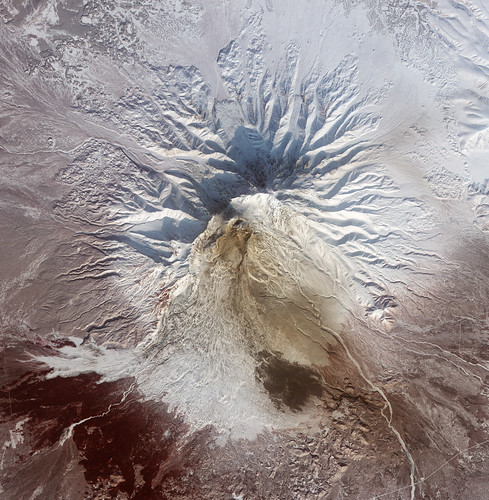 The explosive volcanic eruption Iceland saw in 2010 may have disrupted life in the air above Europe, but it apparently enriched life in the Atlantic Ocean, researchers say.
Thursday, March 21, 2013
Australia & India urged to secure Indian Ocean
 Australia and India are being urged to set up a security regime for the Indian Ocean to deal with threats such as piracy, people trafficking, failed states and rising sea levels.
Companies to make nylon from recycled ocean debris
 Nylon polymer manufacturer Aquafil, sock company Star Sock and the European Centre for Nature Conservation (ECNC) have announced a new joint initiative aimed at cleaning up the world’s oceans from litter – particularly fishing nets –and recycling it into garments and fabrics.
Bezos expedition retrieves Apollo rocket engines from ocean floor
 A recovery team funded by Amazon founder Jeff Bezos has plucked two rocket engines from the floor of the Atlantic Ocean that were used to send astronauts to the moon more than 40 years ago, he wrote on the project's website on Wednesday.
MPA News: International News & Analysis on Marine Protected Areas - April 2013 edition
 MPA News is the information service on planning and management of marine protected areas (MPAs). It serves the global MPA community with news, views, analysis, and tips gathered from experts around the world.
Wednesday, March 20, 2013
System turns US fishing rights into commodity, squeezes small fishermen
 For centuries, men like Larry Collins, a garrulous crab and sole fisherman, were free to harvest the seas.
But sweeping across the globe is a system that slowly and steadily hands over a $400 billion ocean fishing industry to corporations. The system, called catch shares, in most cases favors large fishing fleets, a review of the systems operating across the United States shows.
For centuries, men like Larry Collins, a garrulous crab and sole fisherman, were free to harvest the seas.
But sweeping across the globe is a system that slowly and steadily hands over a $400 billion ocean fishing industry to corporations. The system, called catch shares, in most cases favors large fishing fleets, a review of the systems operating across the United States shows.
TED Studies: Marine Biology - The Deep Ocean
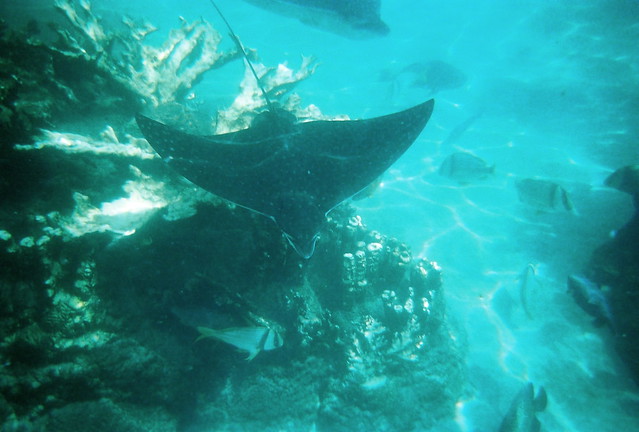
Relevant areas of interest, study and coursework include: Biological Oceanography, Chemical Oceanography, Geological Oceanography, Ocean Engineering, Ecology, Sustainable Consumption, Resource Management, Cinematography, Genomics, and Evolution.
Public worldwide supports ocean sustainability
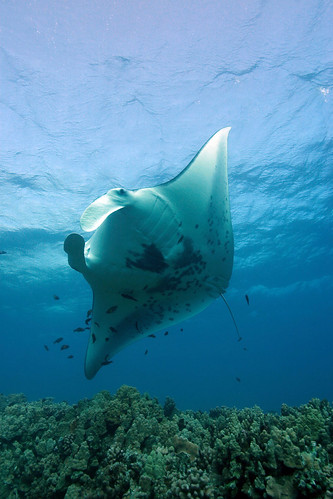 A large majority of global citizens believe governments must take the needs of future generations into account when they set rules governing the global ocean, according to a survey conducted in 13 countries across the world on behalf of the Global Ocean Commission.
Tuesday, March 19, 2013
NZ and US push for world's biggest marine reserve
 New Zealand and the United States want to make the Ross Sea the world's biggest marine reserve and Australia have backed the plan. The reserve would cover 1.6 million square kilometres of ocean and protect another 1.9 million square kilometres of coastline.
UN body backs i-Marine app for endangered fish
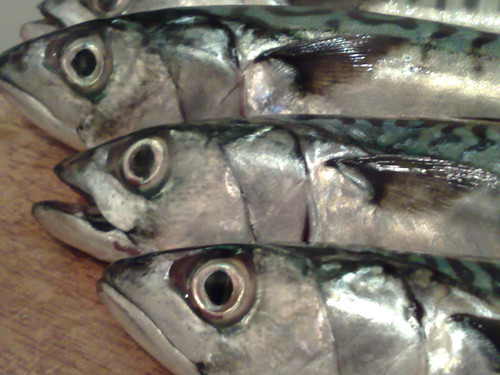 A free mobile application (app), AppliFish, has been launched to raise awareness about endangered species and educate consumers about fish. The United Nations Food and Agriculture Organisation (FAO) has endorsed the app, which has been developed by the fisheries and biodiversity knowledge platform iMarine to offer information at the touch of a button on marine species.
What if Conservation Were the Default for the Ocean?
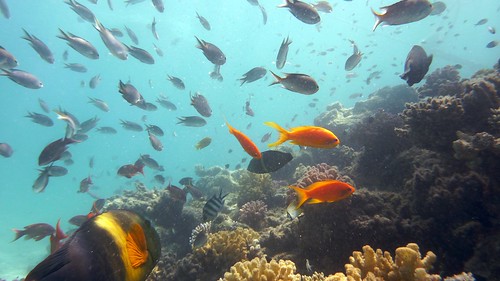 Marine protected areas (MPAs) are part of the management toolbox that can ensure sustainable use of the oceans and provide the world with fish proteins. Yet, even as benefits of MPAs related to food security, ecosystem services, and livelihoods are known, we currently fail on our commitments to protect 10% of the oceans by 2020.
Tiny plants devour reefs in warming, acidic oceans
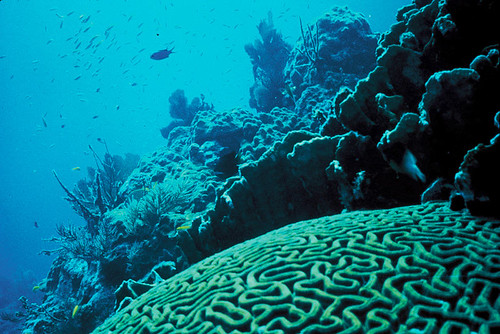 A world-first scientific study has found that the world's coral reefs are being weakened by microscopic borers and will erode more rapidly as the oceans warm and acidify. This phenomenon, combined with a slower growth of coral reefs due to ocean acidification, may make reefs more vulnerable to storms and cyclones, according to Ms Catalina Reyes of the ARC Centre of Excellence for Coral Reef Studies (CoECRS) and The University of Queensland (UQ).
Liberia accuses second Dongwon vessel of illegal fishing
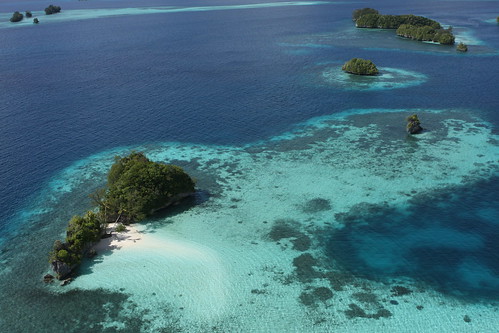 The Liberian government has released a statement refuting Dongwon Industries’ claim that it was the victim of fraud, and has revealed that a second Dongwon-operated vessel is under investigation for illegal fishing.
Monday, March 18, 2013
Palau's president proposes new marine sanctuary
Palau's president has proposed banning all commercial fishing in the Pacific nation's waters to create one of the world's largest marine reserves, covering an area roughly the size of France.
Ocean plankton's absorption of CO2 higher than assumed
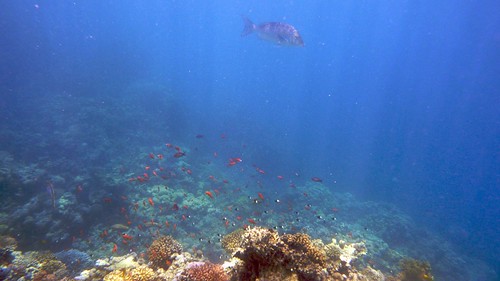 A new work by UC Irvine and other scientists has found that trillions of plankton near the surface of warm waters are far more carbon-rich than has long been thought. The finding suggests models of carbon dioxide in the world's oceans need to be revised.
Mariana Trench: Deepest ocean 'teems with microbes'
 The deepest place in the ocean is teeming with microscopic life, a study suggests. An international team of scientists found that the very bottom of the Mariana Trench, which lies almost 11km (7 miles) down in the Pacific Ocean, had high levels of microbial activity.
Latest from World Ocean Radio: Kauai Thoughts
 On a recent visit to Kauai, the smallest of the Hawaiian islands, host Peter Neill had chance encounters with breaching whales offshore and a monk seal on the beach. The experiences prompted this reflection of what it means to be connected to real, meaningful, living things in our natural world.
Fish study shows genetic changes result in weaker stocks
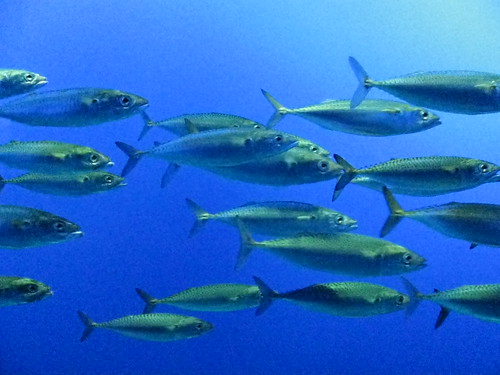 Overfishing is changing the genetic makeup of fish stocks, according to scientists at Bangor University.
Significant Contribution of Greenland's Peripheral Glaciers to Sea-Level Rise
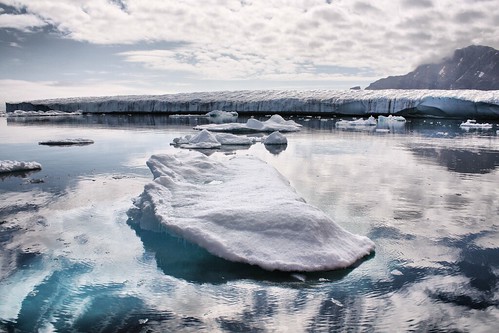 Glaciers at the edge of Greenland which are not connected to its huge ice sheet, or can be clearly separated from it, are contributing to sea-level rise much more than previously thought.
 Scientists from the University of Zurich together with colleagues from Denmark have found that, though these peripheral glaciers make up just 5-7 % of total ice coverage on the land mass, they account for up to 20% of the rise in sea level created by the region's melting.
Friday, March 15, 2013
Intraterrestrials: Life Thrives in Ocean Floor
 An entire ecosystem living without light or oxygen flourishes beneath the ocean floor, a new study confirms. Scientists call it the dark biosphere, and it's potentially one of the biggest ecosystems on the planet. Buried oceanic crust covers 60 percent of Earth's surface. For the first time, researchers have pulled up pieces of the crust and examined the life within. In its rocks, microbial communities thrive, eating altered minerals for food, the study found.
Shark Protections Upheld as Wildlife Trade Meeting Ends
 Government Parties to the world’s only wildlife trade treaty yesterday confirmed measures to protect sharks and rays and tropical hardwoods and to take action against countries doing little to stop the illegal trade in elephant ivory and rhino horn.
Showing its teeth, CITES finally protects sharks
 Yesterday was a day to celebrate as CITES, the convention regulating the international trade of wild plants and animals, finally restricted the trade in key shark species and took steps to curb illegal logging. Although you often hear talk that global environmental politics is dead and buried, days like yesterday – when CITES finally showed its teeth and proved it has some bite – suggest that the death of multilateralism is highly exaggerated.
Thursday, March 14, 2013
Two-Thirds of Depleted Fish Stocks Rebound Under Federal Fisheries Law
Sixty-four percent of once-overfished, monitored fish stocks nationwide have been rebuilt or made significant progress thanks to additional protections added to the federal fisheries law in 1996, according to a report released today by the Natural Resources Defense Council.
Reaction from Bangkok as CITES adopts all shark proposals
CITES plenary today accepted committee recommendations to list five species of highly traded sharks under the CITES appendices, along with those for the listing of both manta rays and one species of sawfish. Oceans inc gets reactions from CITES delegates in Bangkok on this historic days for sharks.
Catch shares: Who owns the fish?
Since 2000, 47 studies have looked at environmental effects of catch shares. Slightly more than half, 24, found no effect or negative effects, including the four most comprehensive and recent studies, a review of the research shows.
Pew applauds unprecedented conservation win for sharks & manta rays at CITES
Five species of sharks and two species of manta rays will now be subject to international trade regulation under the Convention on International Trade in Endangered Species of Wild Fauna and Flora, or CITES, a move that could save these threatened species from total collapse.
How ocean science saves money by hitching a ride
 Science funding in the U.S. fluctuates with the whims of Congress, and losing research dollars can mean shuttering a lab for good. So clever ocean scientists have found ways to save money (and time) by outsourcing basic data collection to commercial ships and recreational boats.
UK Seabed Resources joins deep-ocean mineral-mining rush
 A new and controversial frontier in mining is opening up as a British firm joins a growing rush to exploit minerals in the depths of the oceans.
 UK Seabed Resources is a subsidiary of the British arm of Lockheed Martin. It has plans for a major prospecting operation in the Pacific.
Landmark shark ban upheld at conservation meeting
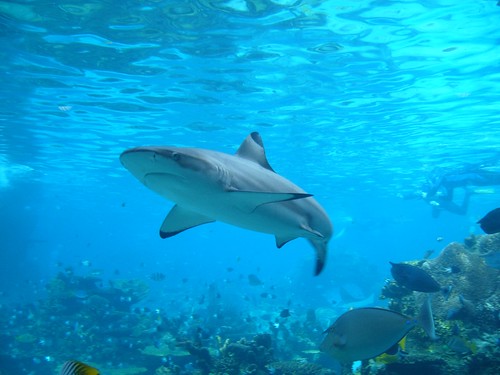 Pro-shark fishing nations have narrowly failed to overturn a landmark protection deal struck at the Cites conservation conference in Bangkok.
 Japan and China tried to block trade regulations on three critically endangered shark species by re-opening the debate in the final session. But delegates refused the request by a wafer-thin majority and the shark ban was upheld.
White Smoke Billows for Sharks at CITES - EU Leadership crucial in support for threatened sharks
 In a dramatic Plenary session, trade restrictions were adopted today for five species of sharks and two manta ray. Native to Europe, and highly valued for its meat, the proposal to list Porbeagle finally secured the support required from the Plenary session of the 16th Conference of Parties (CoP) to CITES. In addition, Freshwater Sawfish was finally uplisted from Appendix II to the stricter Appendix I, curtailing further international trade. Crucially, attempts to reopen the debate on the shark proposals were defeated.
Wednesday, March 13, 2013
Scientists make fish thoughts glow
 For the first time in history biologists have made a real time observation of how fish’s brain operates during hunting. The experiment was made possible thanks to the jellyfish genes that produce fluorescent proteins.
Subscribe to:
Posts (Atom)