 At first glance, Kristian Schmidt and Shawn Heinrichs’ photos of models swimming with whale sharks off the coast of the Philippines appear heavily Photoshopped. But while the levels and colors have been manipulated and the backgrounds tweaked, the most striking part – the models’ proximity to sharks – is real.
Thursday, January 31, 2013
Stunning Whale Shark Photos Aim to Help At-Risk Species
At first glance, Kristian Schmidt and Shawn Heinrichs’ photos of models swimming with whale sharks off the coast of the Philippines appear heavily Photoshopped. But while the levels and colors have been manipulated and the backgrounds tweaked, the most striking part – the models’ proximity to sharks – is real.
Anti-whalers claim early victory against Japanese fleet
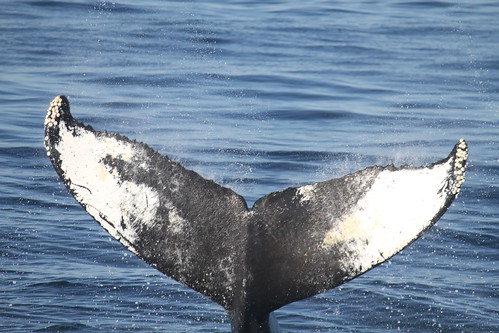 Militant anti-whaling group Sea Shepherd said Wednesday it had zeroed in on the Japanese fleet before a single mammal had been killed, claiming an early victory in their annual Southern Ocean battle.
Tangaroa To Study How Antarctica Affects Ocean Currents
 NIWA’s Tangaroa sets sail to study how Antarctica affects ocean currents. A team of 22 Australian, New Zealand and French scientists will depart Wellington next week, onboard NIWA’s RV Tangaroa, for a 42-day voyage to the Mertz Polynya region of Antarctica.
Wednesday, January 30, 2013
DSCC urges South Pacific RFMO to make measures consistent with bottom fishing resolutions
 The DSCC this week urged the South Pacific Regional Fisheries Management Organisation (RFMO) to make agreed measures consistent with bottom fishing resolutions. Representing 70 NGOs, the DSCC is an attendance at the first Commission meeting since the Convention entered into force last year in Auckland, New Zealand.
NASA to Launch Ocean Wind Monitor to Space Station
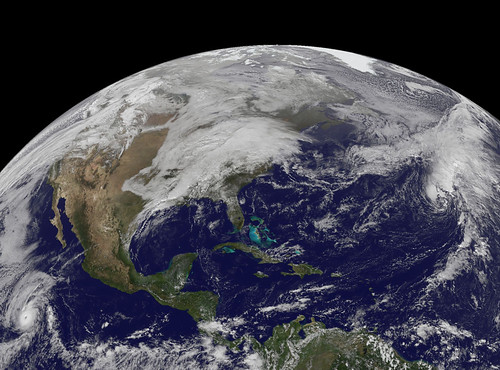 In a clever reuse of hardware originally built to test parts of NASA's QuikScat satellite, the agency will launch the ISS-RapidScat instrument to the International Space Station in 2014 to measure ocean surface wind speed and direction. The ISS-RapidScat instrument will help improve weather forecasts, including hurricane monitoring, and understanding of how ocean-atmosphere interactions influence Earth's climate.
Ocean conservation: A big fight over little fish
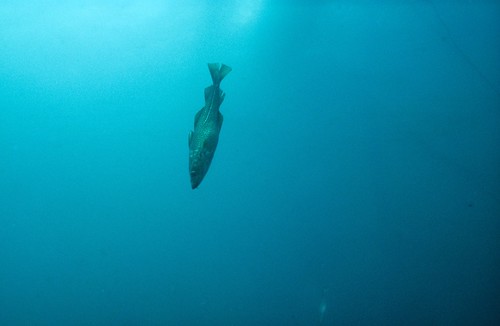 Size limits have been a part of fisheries management for decades, but some fear that they are doing more harm than good.
Tuesday, January 29, 2013
Sea change: the Bay of Bengal's vanishing islands
 Rapid erosion and rising sea levels are increasingly threatening the existence of islands off the coast of Bangladesh and India. School teacher Nurul Hashem lives in a grass hut set among coconut palms and pine trees, just yards from a pristine beach on the sparkling Bay of Bengal. It sounds idyllic, but he longs to return to the island of Kutubdia, 50 miles away, where his family home has been swallowed by ever-rising tides and is now out at sea under several feet of water.
What are long term threats of plastic in our seas?
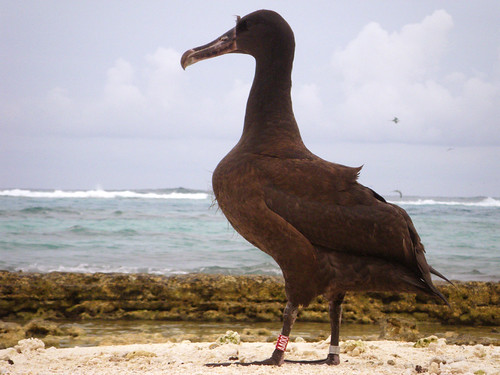 Last summer, when filming for a series to be broadcast next year, a team from the BBC's Natural History Unit saw first-hand how discarded plastic can end up thousands of miles away from where people live when they visited French Frigate Shoals, an island north west of Hawaii.
Monday, January 28, 2013
Can a high-tech navy coexist with marine mammals?
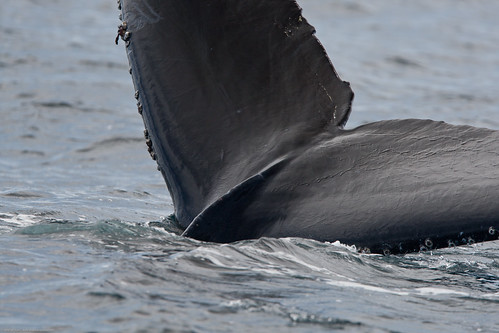 Summit County — In a preliminary assessment, federal biologists said the mid-frequency sound generated by active sonar, the sound and pressure generated by detonating explosives and other activities associated with naval exercises are not likely to have a significant impact on protected marine species.
National marine parks protect Horizontal Falls
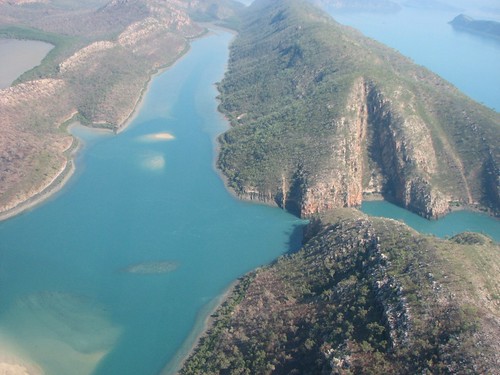 The Kimberley's famous Horizontal Falls site will be protected through the creation of a 160sqkm national and 3000sqkm marine parks, the State Government said today. But existing iron ore mines on Koolan and Cockatoo islands will continue to operate.
Sunday, January 27, 2013
Tide of plastic devastates marine food chain
 Marine life in one of Scotland’s biggest estuaries has been found to be riddled with pollution caused by plastic despite attempts to cut down on the amount entering coastal waters. The findings have been made by marine biologists who discovered that up to 80 per cent of flatfish and 60 per cent of hermit crabs in the Firth of Clyde have ingested tiny pieces of plastic.
Friday, January 25, 2013
Study discovers high levels of air-cleansing compound over ocean
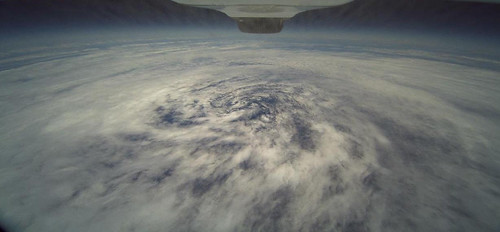 Researchers have detected the presence of a pollutant-destroying compound iodine monoxide in surprisingly high levels high above the tropical ocean, according to a new study led by the University of Colorado Boulder's Cooperative Institute for Research in Environmental Sciences.
Davos 2013: Iceland slams Europe over fishing policy
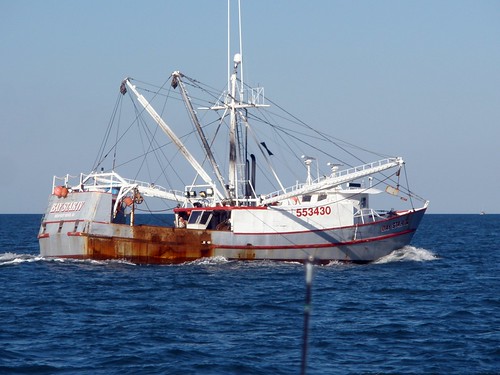 Iceland's president has dismissed the European Union's Common Fisheries Policy as a "colossal failure" as some 75% of Europe's fish stock is endangered.
Lastest from World Ocean Radio: "Ocean Health Index Follow Up"
 The Ocean Health Index defines a healthy ocean as one that sustainably delivers a range of benefits to people both now and in the future. World Ocean Radio host Peter Neill recently interviewed OHI's managing project manager Steve Katona and in this episode will share outcomes from that discussion, including the ten areas of the Index's measurement, the challenges of outreach and communication, and the future of the program.
Thursday, January 24, 2013
Canadian Federal Government promise to protect marine areas is way behind target
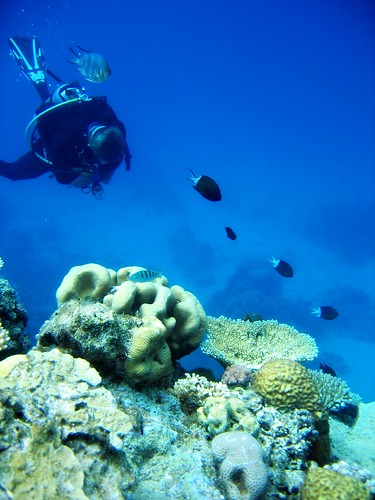 Federal promises to create a network of marine protected areas are progressing at a snail’s pace, and there are fears that federal cutbacks will slow the process even further, says a report by the Canadian Parks and Wilderness Society.
Belgium May Build Hole In The Ocean To Store Energy
 A Belgian politician is proposing an unusual way to store intermittent renewable power from the nation's offshore wind turbines: build a hole in the ocean, then let it fill up to generate electricity.
Turtles 'face extinction' without marine protection
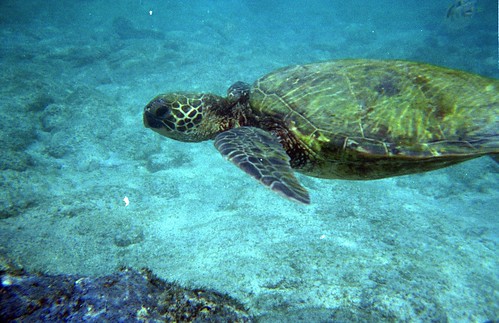 Critically endangered sea creatures like Pacific turtles face extinction unless conservation zones are shifted to follow their migration paths, experts have warned.
Giant squid scientist explains deep-ocean discovery
 Following the ground-breaking capturing just over two weeks ago of the mysterious giant squid, marine scientist Edith Widder gives us further details on the implications of this deep-ocean discovery.
NOAA scientist tracks ocean acidification in Alaska
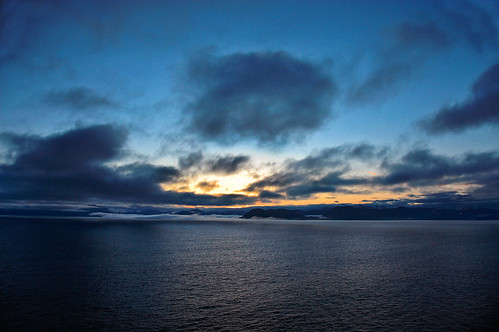 Ocean acidification is an imminent and potentially disruptive threat to Alaska's coastal waters, but with a concerted, well-coordinated effort, the state's fisheries will remain sustainable, says federal fisheries scientist Jeremy Mathis.
Wednesday, January 23, 2013
Ocean heatwave decimates vital seaweed habitat
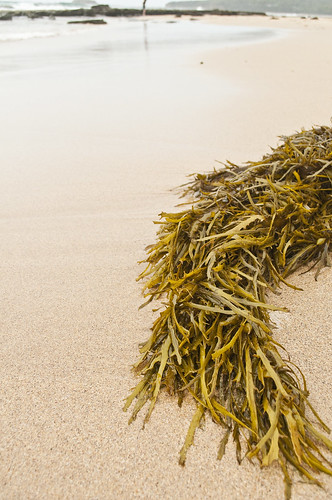 The decimation of a seaweed that provides vital habitat for an interdependent web of marine species off the Western Australian coast, as a consequence of a record ocean heatwave, has been revealed in a paper published in Proceedings of the Royal Society B last week.
Melt ponds cause the Artic sea ice to melt more rapidly
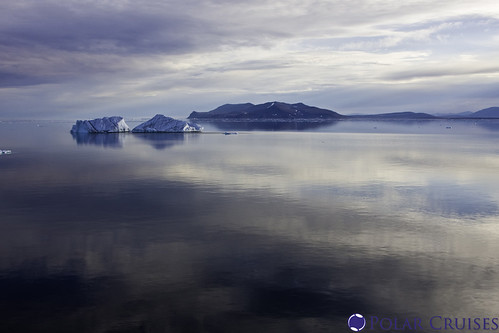 The Arctic sea ice has not only declined over the past decade but has also become distinctly thinner and younger. Researchers are now observing mainly thin, first-year ice floes which are extensively covered with melt ponds in the summer months where once metre-thick, multi-year ice used to float.
Tuesday, January 22, 2013
Dispute means mackerel is no longer catch of the day
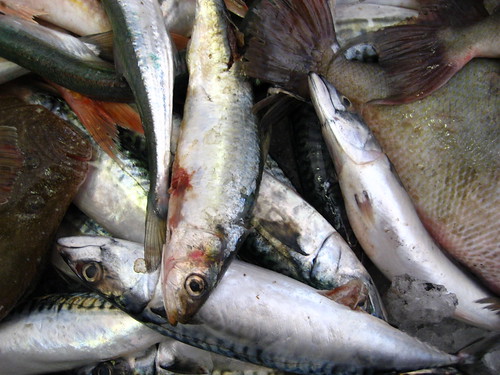 The Marine Conservation Society (MCS) has downgraded mackerel from its list of fish suitable to eat. The society says that international arguments about quotas mean it is no longer a sustainable choice.
 It says that mackerel should now be eaten only occasionally and consumers should instead eat herrings or sardines. But UK fishermen say the downgrading is premature and could be counterproductive.
Mineral dust sprinkled in oceans could absorb vast amounts of carbon
 A new geoengineering - global-scale intervention to combat climate change method could reduce emissions but would require huge mining effort and alter balance of the oceans. Sprinkling billions of tonnes of mineral dust across the oceans could quickly remove a vast quantities of climate-warming carbon dioxide from the atmosphere, according to a new study.
Monday, January 21, 2013
'Fast fish' gains popularity among consumers in Japan
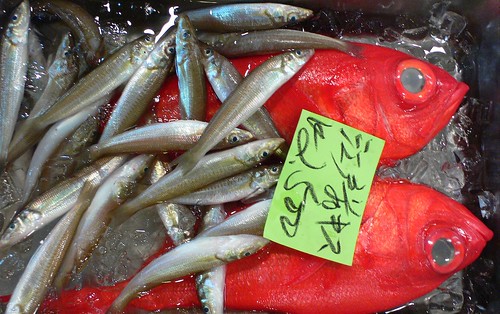 Japan’s government wants to stave off the country’s declining fish consumption by promoting boneless "fast fish" products that are easy to prepare. Traditionalists, in turn, are complaining about the microwavable products because it constitutes disrespect toward Japan’s fish food culture.
'Ghost nets' threaten Australian Marine Life
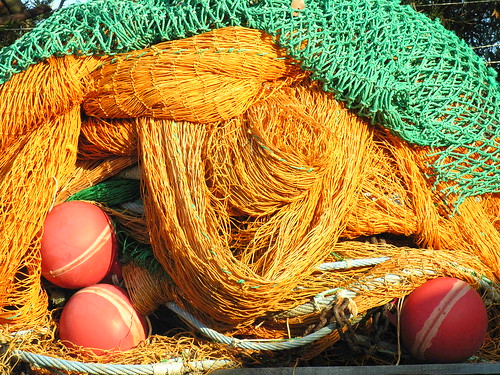 Fishing nets left or lost by fishermen, known as "ghost nets," are threatening wildlife, especially sea turtles, in the sea off Australia, scientists say.
Researchers from the Commonwealth Scientific and Industrial Research Organization said around 640,000 tons of fishing gear is lost or discarded each year, mostly from fisheries in Asia and Australia.
Fishing nets left or lost by fishermen, known as "ghost nets," are threatening wildlife, especially sea turtles, in the sea off Australia, scientists say.
Researchers from the Commonwealth Scientific and Industrial Research Organization said around 640,000 tons of fishing gear is lost or discarded each year, mostly from fisheries in Asia and Australia.
Latest from World Ocean Radio: Who Advocates for the Ocean?
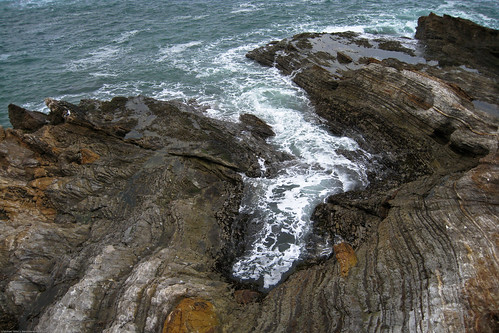 As vast and significant as the ocean is, there are few advocates at the scale required to make a difference in public awareness and action. In this episode of World Ocean Radio, host Peter Neill discusses not only the prominent conservation-based NGOs, governmental organizations and individuals working toward a sustainable ocean, but also two less well-known advocates--very different in structure and assets yet working with comparable purpose.
Thursday, January 17, 2013
Plastics and chemicals they absorb pose double threat to marine life
 Marine creatures that ingest plastics in the ocean might suffer from a double whammy of the plastic itself and the pollutants those plastics have absorbed while floating in the open seas, according to research led by doctoral student Chelsea Rochman of the University of California, Davis.
Wednesday, January 16, 2013
Paint A Fish - E-action live today!
 The Paint a Fish campaign aims at engaging and educating the younger generations in the protection of fish stocks. Over the next months kids from EU countries and beyond will be encouraged to paint a fish. All fish will be uploaded on to this web site to create a colourful fish stock that will call on EU leaders to refill our seas by restoring fish stocks to their maximum sustainable yield (MSY). Create yours today.
 Photo courtesy of katmeresin via Flickr (CC BY 2.0)
Tuesday, January 15, 2013
Refusal over Arctic drilling ban
 The UK government has refused to support a moratorium on Arctic drilling, despite new concerns after the grounding of a Shell oil rig. Ministers say that existing efforts to protect the Arctic environment are more likely to be effective than a ban. They say it's inappropriate for the UK to take the lead on strategy as it is not an Arctic state.
Monday, January 14, 2013
Latest from World Ocean Radio: "No" to Arctic Drilling
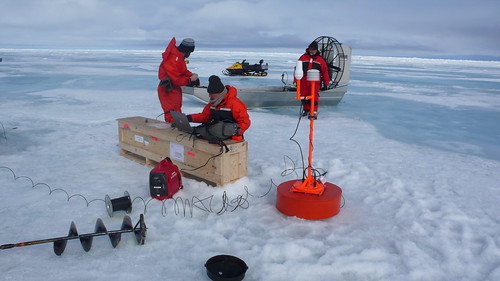 The Arctic is one of the last great unspoiled natural areas of the world. Recent news of mishaps related to exploratory Arctic drilling remind us of the many past and present incidents of failed management, operations and technology.
 In this episode of World Ocean Radio, host Peter Neill argues that it is time for the Obama administration to declare the waters of the Arctic a protected area and to put alternative energy and innovative practice back on the table, thereby following up on the promise to make climate change and energy independence among the most important issues of the next four years.
NOAA to Work with 10 Nations to Address Illegal Fishing
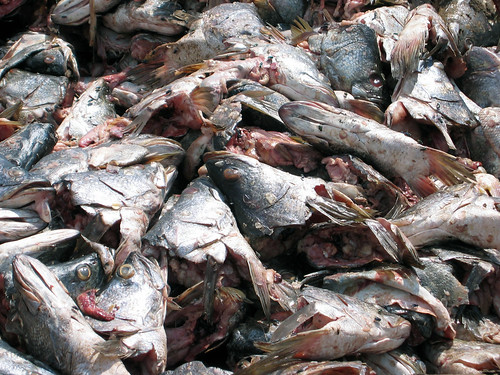 As part of its overall efforts to ensure that the US fishing industry isn’t undermined by unsustainable or illegal activities, NOAA has submitted a Congressionally mandated report identifying 10 nations whose fishing vessels engaged in illegal, unreported, and unregulated (IUU) fishing in 2011 or 2012, or had ineffective measures to prevent the unintended catch of protected species in 2012.
Friday, January 11, 2013
Global Mercury Pollution In Oceans Top Layer Doubled In Last Century, Says U.N. Environment Agency
 Mercury pollution in the top layer of the world's oceans has doubled in the past century, part of a man-made problem that will require international cooperation to fix, the U.N.'s environment agency reported yesterday. The report by the U.N. Environment Program showed for the first time that hundreds of tons of mercury have leaked from the soil into rivers and lakes around the world.
Thursday, January 10, 2013
Working towards sustainable shark fisheries in the North of England
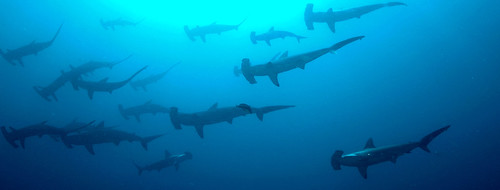 The Shark Trust, in partnership with the Co-operative, is beginning a new project working alongside the commercial fishing industry in Northern England. The Shark Trust has already worked successfully with sectors of the fishing industry and is looking to build on industry knowledge in working towards a long-term sustainable future for shark populations and fisheries in which the Northern English fleet operates.
Our plastics will pollute oceans for hundreds of years
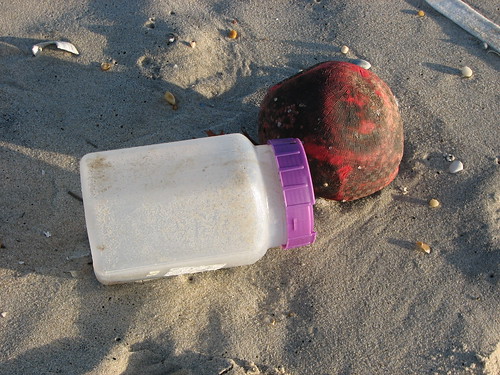 Australia's plastic rubbish has made its way into every ocean in the world. New research shows that it doesn't matter where in the world plastic rubbish enters the ocean, it can end up in any of the five ocean basins. The research also showed that, globally, humans have put so much plastic into our planet's oceans that even if everyone in the world stopped putting rubbish in the ocean today, giant rubbish patches would continue to grow for hundreds of years.
New Scientific Report Shows Pacific Bluefin Down 96.4%
 Just three days after a single Pacific bluefin tuna fetched a jaw-dropping $1.76 million at a fish auction in Tokyo, Japan, scientists released a new stock assessment for this species—and the findings are shocking. According to the report, the Pacific bluefin population has dropped 96.4 percent from unfished levels due to decades of overfishing.
Tuesday, January 8, 2013
First giant squid filmed in natural habitat 900m below sea level
A Japanese-led team of scientists has captured on film the world’s first live images of a giant squid, journeying to the depths of the ocean in search of the mysterious creature thought to have inspired the myth of the “kraken”, a tentacled monster. .
The Ten Best and Worst in Shark Fisheries in 2012
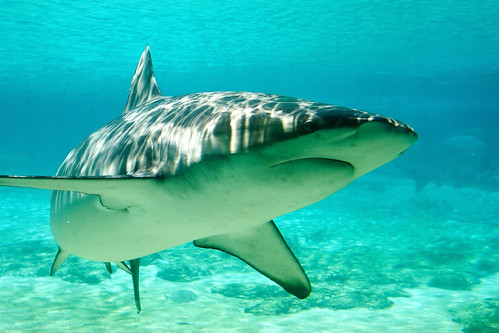 The last twelve months added up to another exciting year in shark and ray conservation policy. We certainly saw and should herald a lot of great progress in 2012.
 Sonja Fordham who founded Shark Advocates International, has written a guest blog for Southern Fried Science with a top ten list of the best and worst events in shark fisheries management for 2012, based on her work at Shark Advocates International.
Monday, January 7, 2013
Future Sea Level Rise from Melting Ice Sheets May Be Substantially Greater Than IPCC Estimates
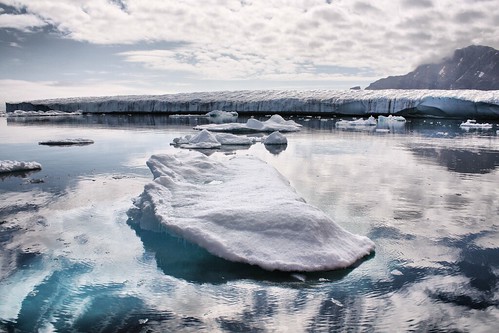 Future sea level rise due to the melting of the Greenland and Antarctic ice sheets could be substantially larger than estimated in Climate Change 2007, the Fourth Assessment Report of the IPCC, according to new research from the University of Bristol.
Latest from World Ocean Radio: Year in Review
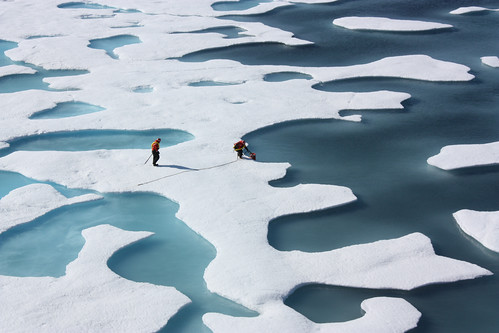 In this episode of World Ocean Radio host Peter Neill outlines five of the major ocean events for the year 2012. Listen to the episode here and you can listen to previous episodes here.
World Ocean Radio, a project of the W2O, is a weekly series of five-minute audio essays. Peter Neill, Director of the World Ocean Observatory (W2O) and host of World Ocean Radio, provides coverage of a broad spectrum of ocean issues from science and education to advocacy and exemplary projects.
In this episode of World Ocean Radio host Peter Neill outlines five of the major ocean events for the year 2012. Listen to the episode here and you can listen to previous episodes here.
World Ocean Radio, a project of the W2O, is a weekly series of five-minute audio essays. Peter Neill, Director of the World Ocean Observatory (W2O) and host of World Ocean Radio, provides coverage of a broad spectrum of ocean issues from science and education to advocacy and exemplary projects. Photo courtesy of NASA via Flickr (CC BY 2.0)
Friday, January 4, 2013
Outrage over Hong Kong's 'shark fin rooftop'
 Hong Kong conservationists expressed outrage yesterday after images emerged of a factory rooftop covered in thousands of freshly sliced shark fins, as they called for curbs on the "barbaric" trade. The southern Chinese city is one of the world's biggest markets for shark fins, which are used to make soup that is an expensive staple at Chinese banquets and viewed by many Asians as a rare delicacy.
Australian scientists discover deep sea corals
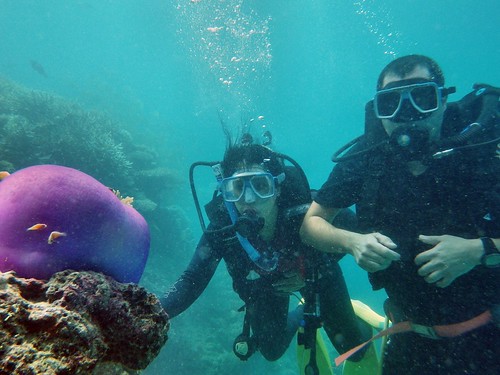 Australian scientists mapping the Great Barrier Reef have discovered corals at depths never before thought possible, with a deep-sea robot finding specimens in waters nearly as dark as night.
 A team from the University of Queensland's Seaview Survey announced the unprecedented discovery 125 metres (410 feet) below the surface at Ribbon Reef, near the Torres Strait and at the edge of the Australian continental shelf.
Unilever to phase out micro plastics by 2015
 Anglo-Dutch consumer giant Unilever says it is planning to phase out microplastics from a number of its personal care ranges by the year 2015, in response to increasing awareness over environmental concerns. This comes after growing evidence from marine scientists and environmental groups that microplastic particles are accumulating in the ocean, causing considerable environmental perils to a range of marine life and eco systems
Happy New Year from Oceans inc
 The team at Oceans inc would like to wish you all a very Happy New Year. We look forward to reporting on all ocean related news during 2013, and hope the year brings many more positive developments for the preservation of our oceans.
Photo courtesy of adesigna via Flickr (CC BY 2.0)
Subscribe to:
Posts (Atom)